
A Complete Bathroom Renovation Guide for Coquitlam & the Tri-Cities
When planning a bathroom renovation, one of the biggest decisions is whether to install a walk-in shower, keep a bathtub, or combine both.
A walk-in shower can create a modern, open feel and make everyday routines more convenient. A bathtub, on the other hand, can be ideal for relaxing, bathing children, and maintaining flexibility for different household needs.
But which option is right for your home?
The answer depends on your bathroom’s size, your lifestyle, accessibility needs, maintenance preferences, and long-term plans.
In this guide, we’ll compare walk-in showers and bathtubs, explore their advantages and disadvantages, and help you decide which option makes the most sense for your next bathroom renovation in Coquitlam or the Tri-Cities.
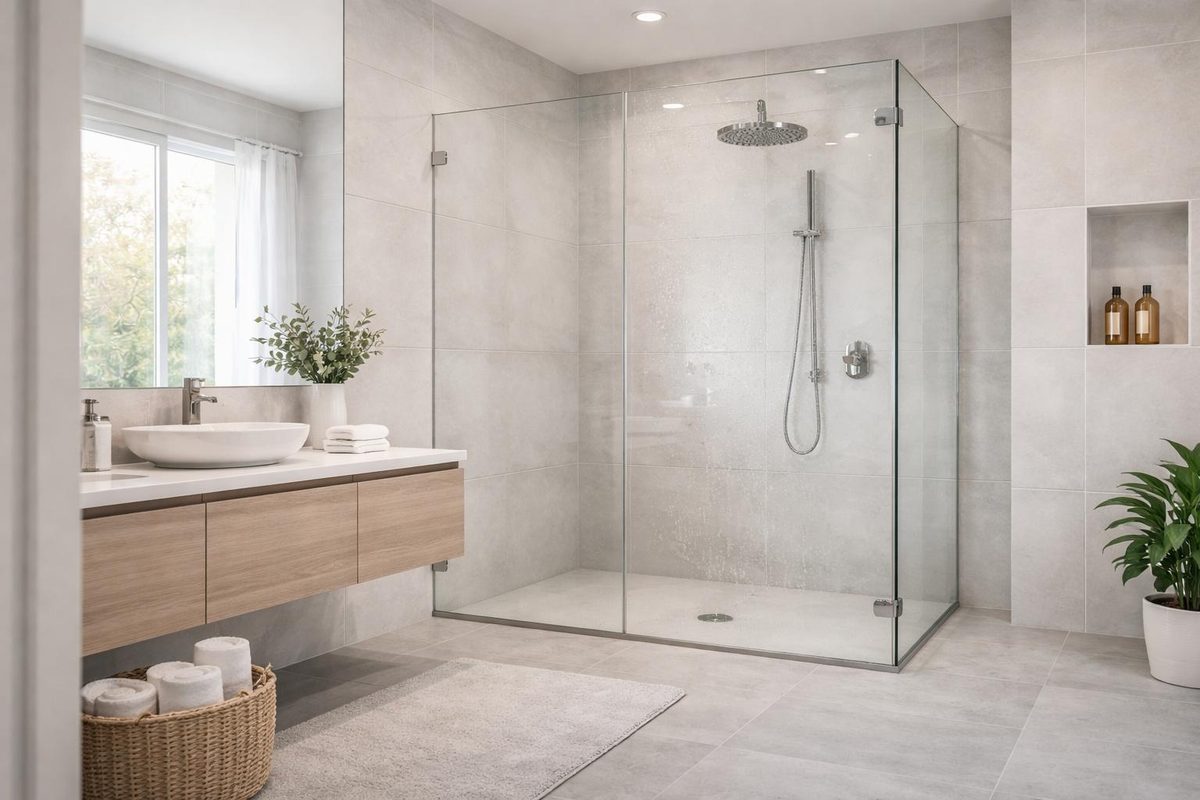
1. What Is a Walk-In Shower?
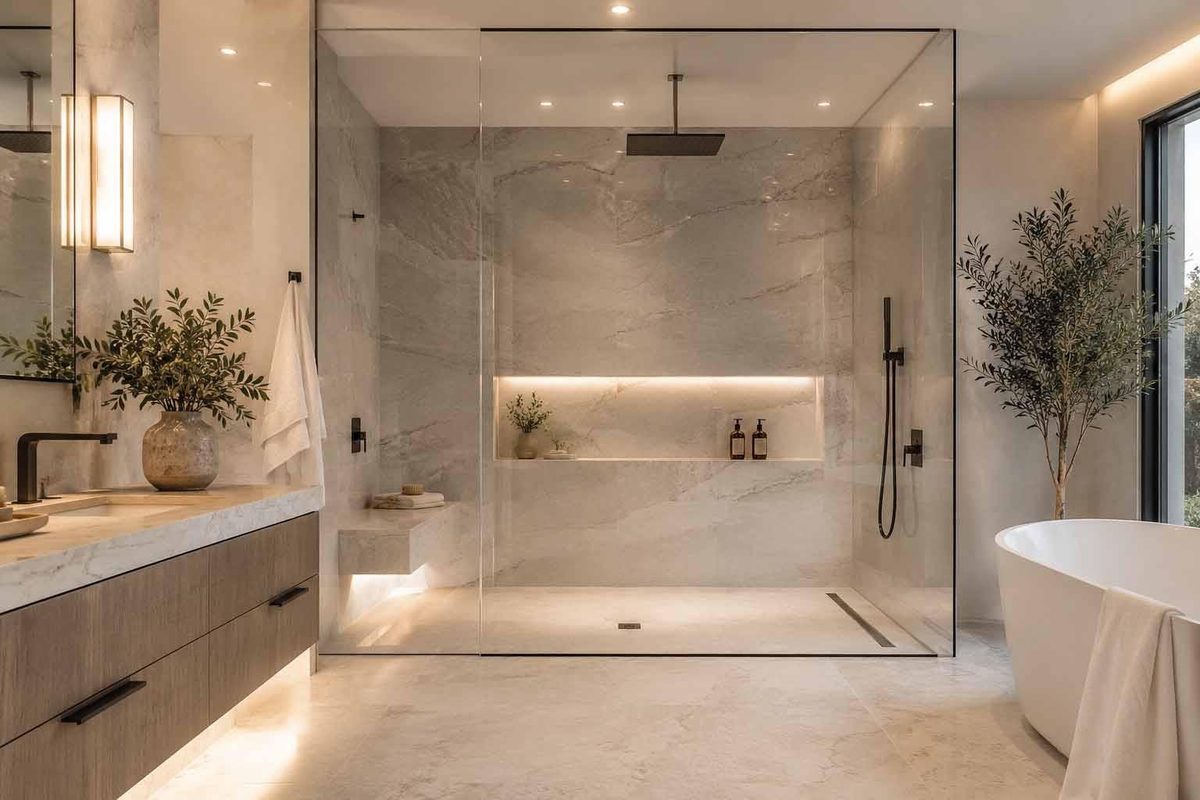
A walk-in shower is a shower area designed for easy entry, often with a glass enclosure or an open entrance rather than a traditional bathtub.
Depending on the design, it may include:
- Frameless or semi-frameless glass panels
- A low-threshold or curbless entrance
- Built-in shower niches for storage
- A rainfall showerhead or handheld shower
- A bench or seating area
- Large-format tiles or other waterproof wall finishes
Walk-in showers come in many sizes and styles, from compact shower enclosures to spacious, spa-inspired designs.
Why homeowners choose walk-in showers
A walk-in shower can be an appealing choice for homeowners who prefer a quick, convenient shower, want a contemporary bathroom design, or need a layout that supports easier entry.
However, not every walk-in shower is automatically accessible. The entrance height, floor slope, door opening, and available space all matter.
2. What Is a Bathtub?
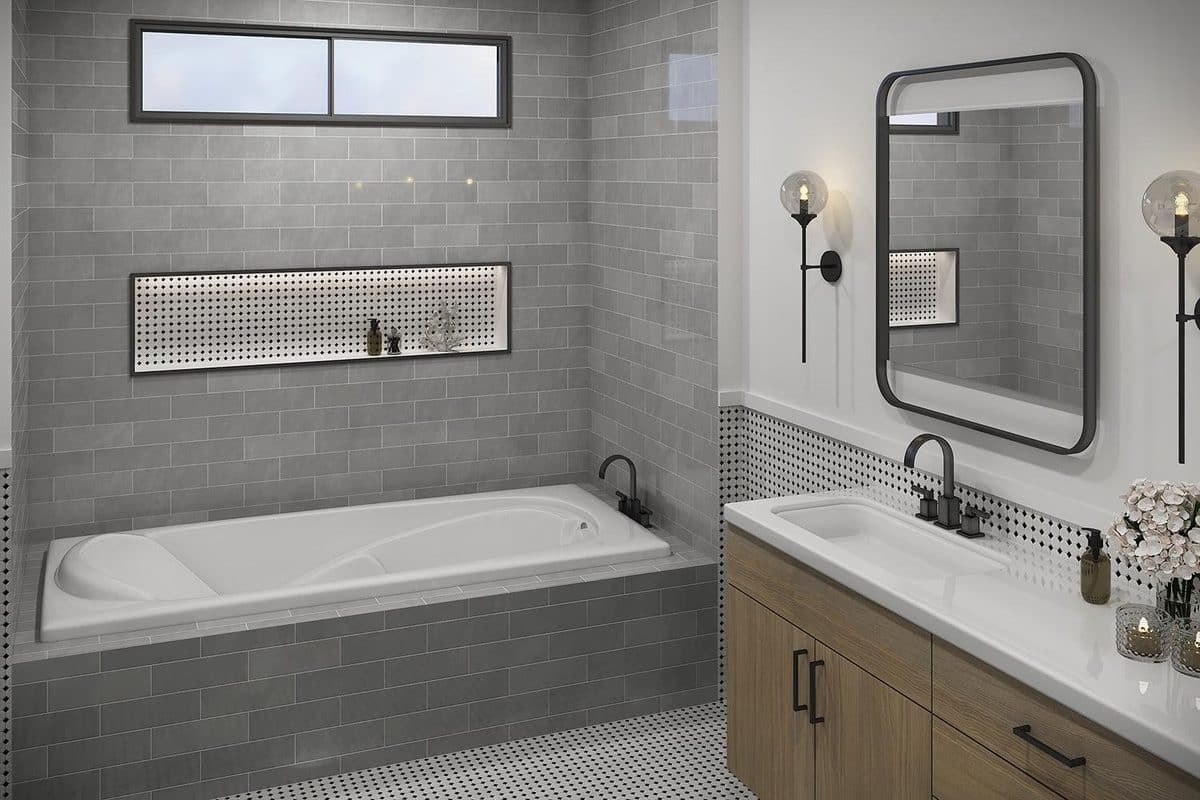
A bathtub is a fixture designed for bathing while sitting or reclining in water. Bathtubs are available in several styles, including:
- Alcove tubs: Installed between three walls, often with a shower above.
- Freestanding tubs: Stand independently and can become a focal point in the bathroom.
- Drop-in tubs: Installed within a surrounding deck or platform.
- Soaking tubs: Designed for a deeper bathing experience.
- Corner tubs: Fit into a corner and may suit certain layouts.
For many households, a bathtub provides more than a place to bathe. It can be useful for children, relaxing, and accommodating different bathing preferences.
The main consideration is whether your bathroom has enough space for the type of tub you want without compromising the rest of the layout.
3. Walk-In Shower vs. Bathtub: A Quick Comparison
Here’s a side-by-side look at the main differences.
| Feature | Walk-In Shower | Bathtub |
|---|---|---|
| Everyday convenience | Often convenient for quick showers | Useful for soaking and bathing |
| Space | Can suit compact or spacious bathrooms | Requires room for the tub and access |
| Accessibility | Can offer easier entry with a low or curbless threshold | Requires stepping over the tub edge unless specially designed |
| Cleaning | Glass and grout may need regular cleaning | Tub surface and surrounding areas need cleaning |
| Design | Contemporary, open appearance | Traditional, modern, or spa-inspired |
| Children | May be less convenient for young children | Often practical for bathing children |
| Relaxation | Shower experience, with optional bench or steam features | Provides a soaking option |
| Installation | Depends on drainage, waterproofing, and enclosure | Depends on tub type, plumbing, and surrounding finishes |
| Water use | Depends on shower duration and flow rate | Depends on tub size and fill level |
The bottom line: Neither option is universally better. The right choice depends on how you use your bathroom and what you want the renovation to accomplish.
4. The Advantages of a Walk-In Shower
A. A Modern, Open Bathroom Design
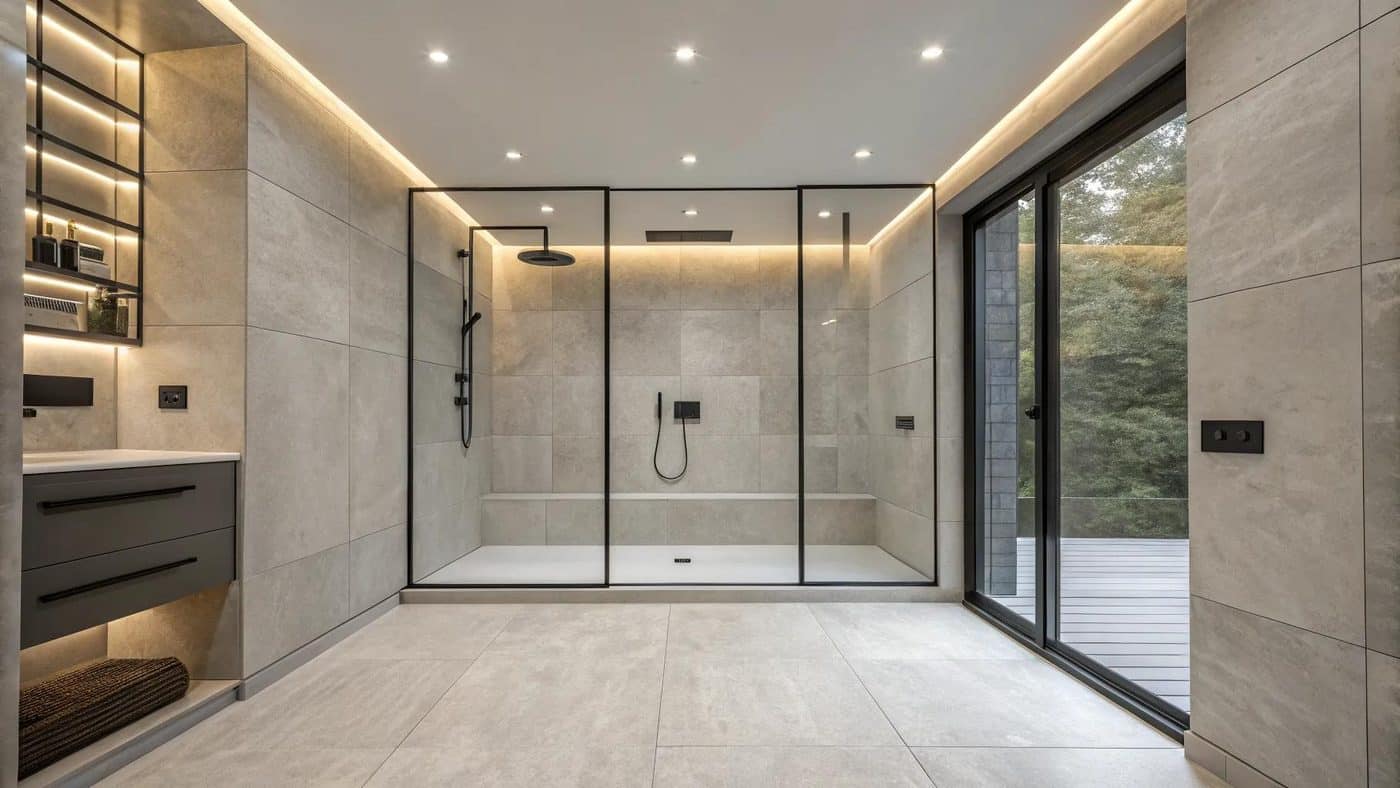
Walk-in showers can make a bathroom feel more open, particularly when they use clear glass panels and finishes that coordinate with the rest of the room.
A consistent tile design across the floor and shower walls can also create a more cohesive appearance.
This can be especially useful in smaller bathrooms where a bulky enclosure might make the space feel more enclosed.
B. Convenient for Everyday Use
For homeowners who primarily shower, a walk-in shower can make daily routines straightforward.
You can customize the design with features such as:
- A handheld showerhead
- A built-in niche for shampoo and soap
- A bench for comfort
- Easy-to-reach controls
- A low-threshold entrance
The right combination depends on the user’s needs and the available space.
C. Can Improve Accessibility
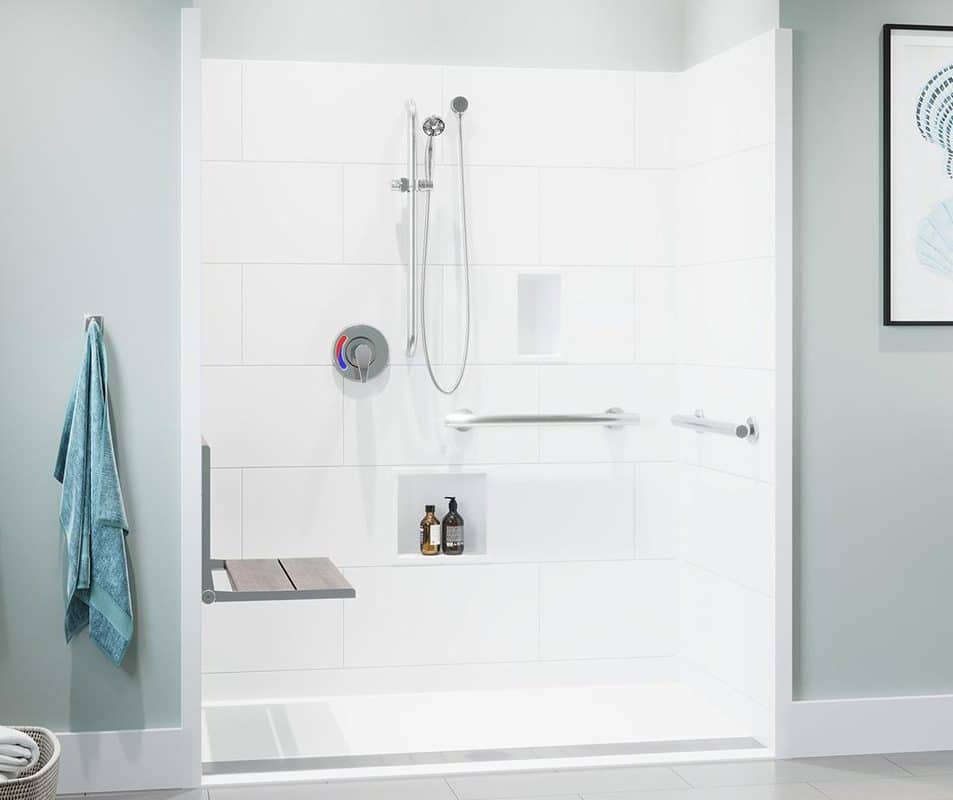
A properly designed walk-in shower can reduce the difficulty of entering and exiting a shower.
Features that may improve accessibility include:
- A curbless or low-threshold entrance
- A stable, slip-resistant floor surface
- Grab bars installed with appropriate support
- A built-in or fold-down shower seat
- A handheld showerhead
- Sufficient space to move comfortably
A curbless shower requires careful planning of drainage, waterproofing, and floor slope. Accessibility also depends on the full bathroom layout, not just the shower entrance.
D. Flexible Design Options
Walk-in showers can be adapted to different bathroom styles.
Whether you prefer a simple, practical shower or a more elaborate spa-inspired design, you can select the glass, tile, fixtures, and storage features to suit your preferences.
5. The Disadvantages of a Walk-In Shower
A walk-in shower has many advantages, but there are a few things to consider before choosing one.
1. Water Can Splash Outside the Shower
Open-entry showers may allow water to escape into the rest of the bathroom if the layout, showerhead placement, or floor slope isn’t planned properly.
Glass panels and appropriate drainage can help manage splashing, but the design needs to suit the room.
2. Glass Requires Regular Cleaning
Glass enclosures can develop water spots and soap residue.
If you want a clean, transparent appearance, you’ll need to maintain the glass and surrounding surfaces regularly.
3. Waterproofing Is Critical
A walk-in shower needs a properly designed waterproofing system, particularly around:
- Floor and wall junctions
- Drains
- Shower niches
- Plumbing penetrations
- Glass enclosure attachment points
Poor waterproofing can lead to water damage and costly repairs.
4. It May Not Suit Every Household
If you have young children or someone in your household strongly prefers soaking in a tub, replacing the only bathtub with a shower may not meet everyone’s needs.
6. The Advantages of a Bathtub
A. Ideal for Relaxation
A bathtub offers something a standard shower cannot: the ability to soak in warm water.
For homeowners who enjoy relaxing baths, a soaking tub can become an important feature of the bathroom.
Options range from simple alcove tubs to freestanding soaking tubs with a more prominent design.
B. Practical for Families With Young Children
A bathtub can make bathing young children easier for many families.
It can also be useful for rinsing items or handling certain household needs, depending on the household’s routines.
If children are part of your household now—or may be in the future—keeping a bathtub may be worth considering.
C. Many Design Options
Bathtubs can work in a variety of bathroom designs.
You can choose:
- A simple alcove tub with a shower
- A freestanding tub as a design focal point
- A deeper soaking tub
- A tub with a tiled surround
- A combination tub and shower
The best option depends on your available space, plumbing, and design goals.
D. Can Preserve Bathing Flexibility
Keeping a bathtub gives household members the option of taking either a shower or a bath.
This flexibility can be useful when several people share a bathroom and have different preferences.
7. The Disadvantages of a Bathtub
1. Requires Space
A bathtub takes up a defined footprint, and you also need room to enter, exit, and use it safely.
In a small bathroom, a large tub may limit space for storage, a larger vanity, or a separate shower.
2. Stepping Over the Tub Can Be Difficult
Traditional bathtubs have a raised edge that users must step over.
This can be challenging for people with limited mobility, balance concerns, or certain accessibility needs.
Grab bars and other adaptations may help, but the overall setup needs to be evaluated carefully.
3. Cleaning Can Be Less Convenient
Bathtubs need regular cleaning, particularly around the tub edges, fixtures, and surrounding surfaces.
Freestanding tubs may also require cleaning behind and underneath them, depending on their installation.
4. A Separate Tub and Shower Need More Room
If you want both a full-size bathtub and a separate walk-in shower, the bathroom needs enough space to accommodate both without making the layout feel cramped.
8. Which Option Is Better for a Small Bathroom?
In a small bathroom, the decision often comes down to how you want to use the available space.
A walk-in shower may make sense if:
- You rarely use a bathtub.
- You want a more open visual layout.
- You prefer a larger shower area.
- You want to prioritize easy entry.
- You need more room for other bathroom features.
A bathtub may make sense if:
- You regularly take baths.
- You need a tub for young children.
- You want a combined shower-and-bath setup.
- You prefer keeping a bathtub available for different household needs.
What about a tub-shower combination?
A bathtub with a shower above it can be a practical compromise.
It provides both bathing and showering functions in a single footprint, although stepping over the tub edge remains a consideration.
For small bathrooms, the best solution is often the one that preserves the functions you actually use while making movement through the room comfortable.
9. Walk-In Shower vs. Bathtub: Which Is Easier to Maintain?
Maintenance depends on the materials, fixtures, installation quality, and how frequently the bathroom is used.
Here’s what to consider.
| Maintenance Factor | Walk-In Shower | Bathtub |
|---|---|---|
| Glass cleaning | May require frequent wiping to prevent water spots | Depends on whether the tub has a glass enclosure |
| Tile and grout | Requires routine cleaning and care | Also requires care if tiled around the tub |
| Fixtures | Showerhead, controls, and drains need cleaning | Faucet, drain, and overflow need cleaning |
| Water management | Drainage and waterproofing are especially important | Tub, overflow, and surrounding seals need maintenance |
| Accessibility features | Seats and grab bars may require periodic inspection | Adaptations such as grab bars also need inspection |
How to make maintenance easier
✔ Choose surfaces that are appropriate for wet environments and easy to clean.
✔ Minimize unnecessary grout lines where practical.
✔ Ensure proper drainage and waterproofing.
✔ Choose fixtures that are accessible for routine cleaning.
✔ Follow the manufacturer’s care instructions for tile, glass, and other finishes.
10. Does a Walk-In Shower Increase Home Value More Than a Bathtub?
There is no universal rule that replacing a bathtub with a walk-in shower will increase a home’s value.
The outcome depends on the property’s location, buyer preferences, bathroom layout, quality of the renovation, and the needs of the likely future occupants.
A modern walk-in shower may appeal to buyers who prioritize contemporary design and convenient showering.
A bathtub may be important to households with young children or people who enjoy taking baths.
Before replacing your only bathtub, consider:
- How many bathrooms your home has
- Whether another bathtub is available elsewhere
- The needs of your household
- The layout and quality of the proposed renovation
- The expectations of potential future buyers
If resale is one of your priorities, consider the overall functionality of the home rather than assuming that one fixture will always be more valuable than another.
11. What Does It Cost to Install a Walk-In Shower or Bathtub?
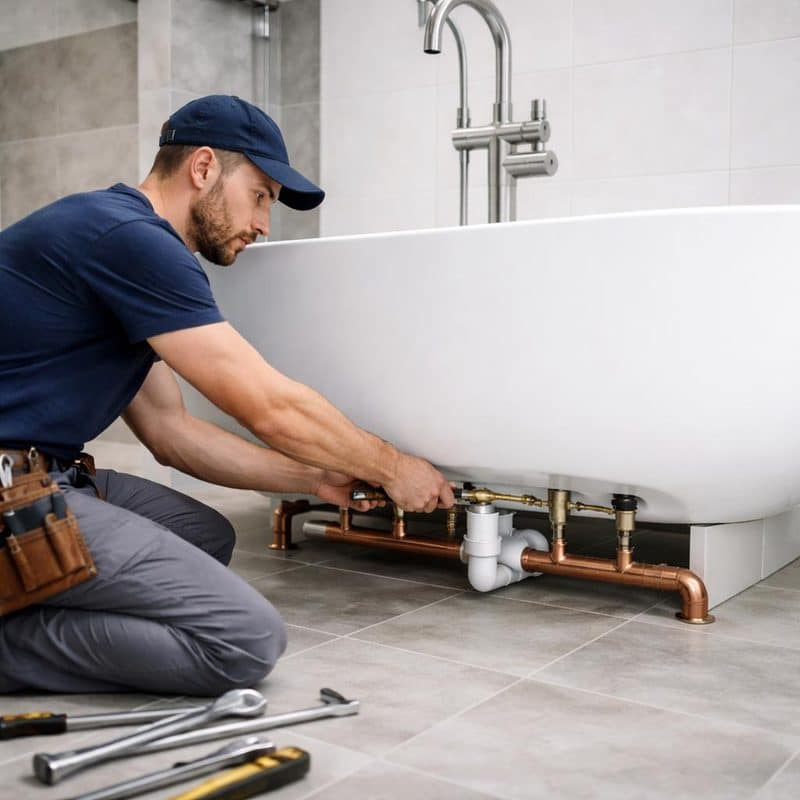
The cost of a bathroom renovation depends on the scope of work, the fixtures and materials selected, and the condition of the existing bathroom.
A straightforward bathtub replacement is different from converting a bathtub into a custom walk-in shower.
Likewise, installing a freestanding tub may involve different plumbing and finishing requirements from replacing an existing alcove tub.
Factors that affect the cost of a walk-in shower
- Shower size and configuration
- Glass enclosure and hardware
- Tile or wall-panel materials
- Drainage and waterproofing
- Plumbing changes
- Shower fixtures
- Bench or niche installation
- Demolition and disposal
- Flooring and surrounding finishes
Factors that affect the cost of a bathtub
- Bathtub type and material
- Tub size and design
- Plumbing and drain location
- Surrounding tile or wall finishes
- Faucet and fixture selection
- Access to the installation area
- Demolition and disposal
- Flooring and other finishing work
Which is less expensive?
Neither option is always less expensive.
A basic bathtub replacement may be relatively straightforward when the existing plumbing and surrounding finishes can be retained.
A custom walk-in shower may require more extensive waterproofing, tile work, drainage modifications, and glass installation.
On the other hand, a high-end freestanding tub with substantial surrounding work can also be a significant investment.
The most useful comparison is between two complete renovation plans for the same bathroom—not just the price of the tub versus the price of the shower.
12. How to Choose the Right Option for Your Lifestyle
Before making a final decision, ask yourself the following questions.
Do you take baths regularly?
If you rarely use a bathtub, a walk-in shower may better suit your everyday routine.
If you enjoy soaking, keeping a bathtub may be important.
Who uses the bathroom?
A family bathroom may need different features from a primary ensuite or a guest bathroom.
Consider the needs of everyone who will use the space.
Is accessibility a priority?
If easier entry is important, a thoughtfully designed low-threshold or curbless shower may be worth exploring.
Consider the entire bathroom layout, not just the shower.
How much space do you have?
Measure the room and consider the space needed for the vanity, toilet, storage, shower or tub, and comfortable movement.
What is your long-term plan?
If you intend to stay in your home for many years, prioritize the layout and features that suit your daily life.
If resale is important, consider how the proposed renovation fits the rest of the home.
Why Homeowners Choose Renodiz for Bathroom Renovations
A successful bathroom renovation is about more than choosing a bathtub or shower. The layout, materials, fixtures, storage, and installation all need to work together.
At Renodiz Renovation & Design Centre in Coquitlam, homeowners can explore bathroom renovation options and materials while planning a space that suits their lifestyle.
Our renovation services bring together:
- Bathroom design and layout planning
- Bathtubs, showers, and fixtures
- Cabinetry and vanities
- Countertops and surface materials
- Flooring and wall finishes
- Material selection and coordination
- Renovation and installation services
Whether you’re replacing an old bathtub, upgrading to a walk-in shower, or planning a complete bathroom renovation, thoughtful planning can help you create a bathroom that’s comfortable, functional, and visually cohesive.
Ready to Transform Your Bathroom?
Thinking about replacing your bathtub with a walk-in shower—or creating a bathroom that offers both?
The first step is understanding your space, your needs, and the possibilities for your renovation.
Visit Renodiz Renovation & Design Centre in Coquitlam to explore bathroom materials, design ideas, and renovation options for your home.
Let’s create a bathroom that works for your everyday life.

